
full frosted glass
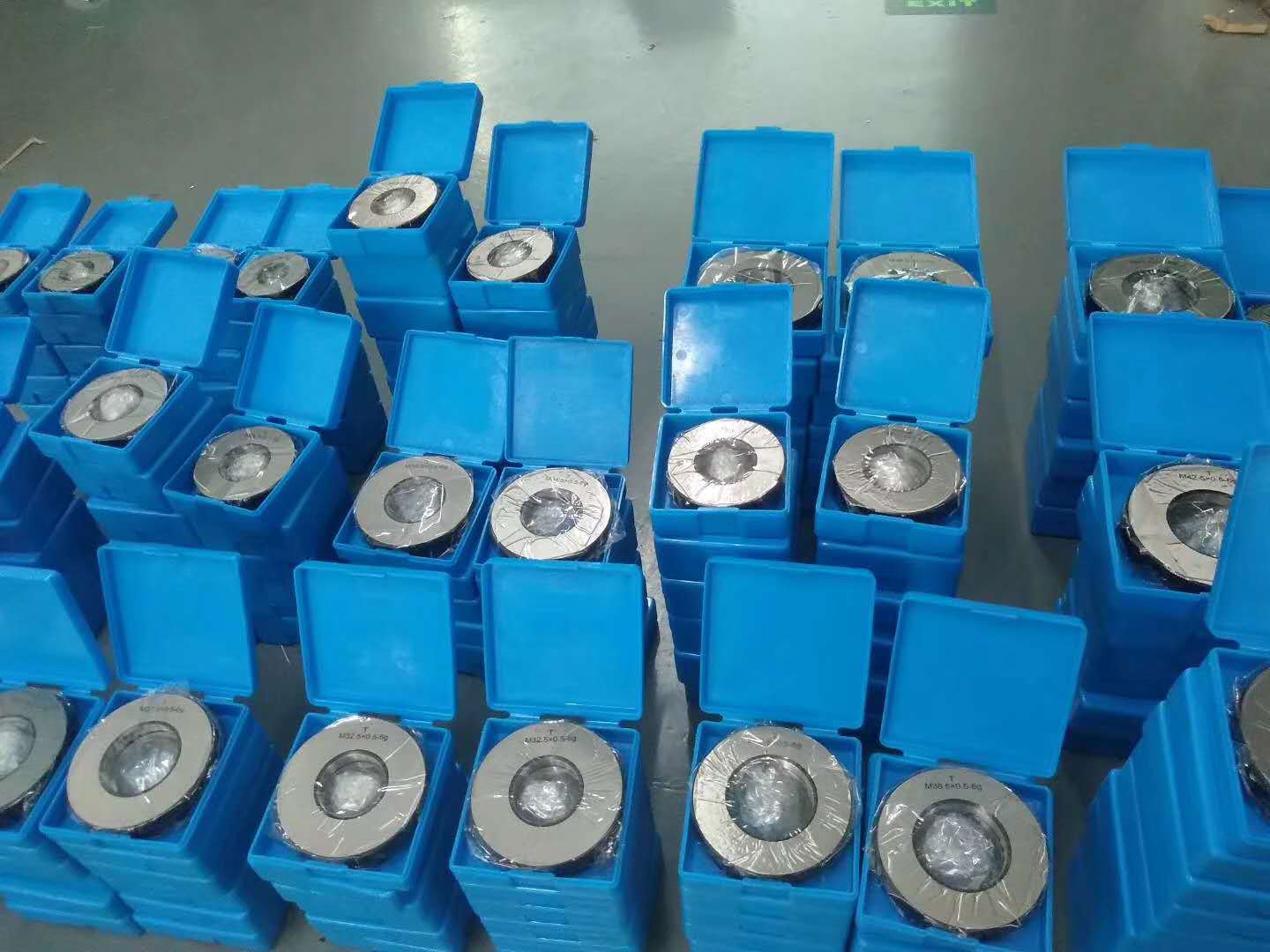
Understanding Thread Gauge Sizes A Comprehensive Guide When it comes to manufacturing and engineering, precision is paramount, especially when dealing with threaded components. Whether in machinery, construction, or everyday items, the threads on screws, bolts, and nuts must fit together perfectly to ensure safety, durability, and effectiveness. One of the critical aspects of ensuring this compatibility is understanding thread gauge sizes. This article aims to delve into the concept of thread gauge sizes, their importance, and how they are measured. What is a Thread Gauge? A thread gauge is a tool that helps determine the size and pitch of the threads on a fastener. It comes in various forms, including thread pitch gauges and wire gauges. The thread pitch is the distance between threads, measured in millimeters for metric threads and threads per inch (TPI) for imperial threads. Proper gauging of threads is essential for ensuring that fasteners can be tightened and remain secure under stress. Types of Thread Gauge Sizes Thread gauge sizes can be categorized into several types based on the measurement system used 1. Imperial (Unified) Thread Sizes Common in the United States and a few other countries, imperial sizes are generally measured in inches. The sizes typically indicated include fractions of an inch as well as TPI. For instance, a 1/4-20 bolt means it has a diameter of 1/4 inch and a thread pitch of 20 threads per inch. 2. Metric Thread Sizes Predominantly used in most parts of the world, metric sizes are measured in millimeters. For instance, an M6 bolt has a nominal diameter of 6 mm, and the thread pitch is usually 1 mm. Metric thread sizes can also indicate pitch, with designations like M5x0.8 (where 0.8 is the thread pitch). 3. Specialty Thread Sizes Additionally, some applications may require specialized thread sizes, such as trapezoidal or acme threads, which are often used in mechanical applications involving motion transfer. How Thread Sizes are Measured Measuring thread sizes can be done through various methods, using tools designed for this purpose thread gauge sizes - Thread Pitch Gauge This is a flat piece of metal with serrated edges to match the thread patterns accurately. By placing the gauge against the threads, one can determine the pitch and ensure compatibility. - Calipers Measuring the diameter of the bolt or screw can also be done with calipers, which give an accurate reading of the size. It is essential to take measurements correctly, as even slight discrepancies can lead to fitting issues. - Thread Measuring Wires These are used to measure the effective diameter of a thread. By wrapping wire around the threads and measuring it, you can calculate the pitch diameter, which is crucial for making precision fasteners. The Importance of Accurate Thread Gauging Accurate thread gauging holds immense significance in many applications - Safety In construction and automotive industries, the structural integrity is heavily reliant on the precision of threaded components. A faulty fit can lead to catastrophic failures. - Efficiency In manufacturing, standardized thread sizes allow for compatibility across various components, reducing the likelihood of mistakes and speeding up assembly processes. - Cost-Effectiveness Properly gauged threads reduce the need for rework due to mismatched sizes, leading to savings in time and material costs. Conclusion Understanding thread gauge sizes is essential for anyone involved in manufacturing, engineering, or repairs. Whether using imperial or metric systems, ensuring that threads fit together correctly will lead to safer and more reliable products. By employing the right measuring tools and techniques, professionals can maintain precision in their work, ultimately enhancing product quality and operational efficiency. In a world where the smallest miscalculations can lead to significant problems, grasping the intricacies of thread gauge sizes is not just beneficial; it’s imperative.
about
full frosted glass
Understanding Filter DN50 The Essential Component for Fluid Management When it comes to the management of fluids in industrial, commercial, and even residential applications, filters play a crucial role. Among the various types of filters available, the DN50 filter stands out due to its size, efficiency, and versatility. The term DN50 refers to the nominal diameter of the pipe, which is 50 millimeters, making it a commonly used size in various piping systems. Understanding Filter DN50 The Essential Component for Fluid Management One of the primary advantages of using a DN50 filter is its ability to handle a reasonable flow rate while effectively trapping debris, particulates, and other unwanted substances. This facilitates a cleaner and more efficient operation, reducing the chances of clogs, wear, and potential failures in pumps, valves, and other critical components of the fluid system. Regular maintenance and monitoring of the filter are essential, as a clogged filter can significantly impair system performance. filter dn50 Moreover, DN50 filters are available in various designs and materials, including stainless steel, plastic, and more, catering to the specific needs of different applications. Some models are equipped with features such as self-cleaning mechanisms, which enhance their operational longevity and reduce the need for frequent manual intervention. The installation of a DN50 filter can greatly extend the life of a fluid system. By removing particulates and impurities, the filter prevents them from accumulating and causing damage to other system components. This not only improves operational efficiency but can also lead to cost savings over time by minimizing repairs and replacements. In summary, the DN50 filter is a vital component for any fluid management system. Its ability to maintain fluid quality while accommodating significant flow rates makes it indispensable across various industries. Whether in a water treatment facility removing sediments or in a manufacturing plant ensuring that hydraulic systems remain free from contamination, the DN50 filter serves a critical function in safeguarding equipment and enhancing overall system performance. As technology continues to evolve, we can anticipate even more advanced filtration solutions that will further improve efficiency and efficacy across various applications.
-

High quality industrial productsagement

High quality industrial products
View Details -

Meet the diverse needs of customers

Meet the diverse needs of customers
View Details -

Strict quality control

Strict quality control
View Details -

Top raw materials

Top raw materials
View Details -

Trusted supplier

Trusted supplier
View Details
Our application


news and information
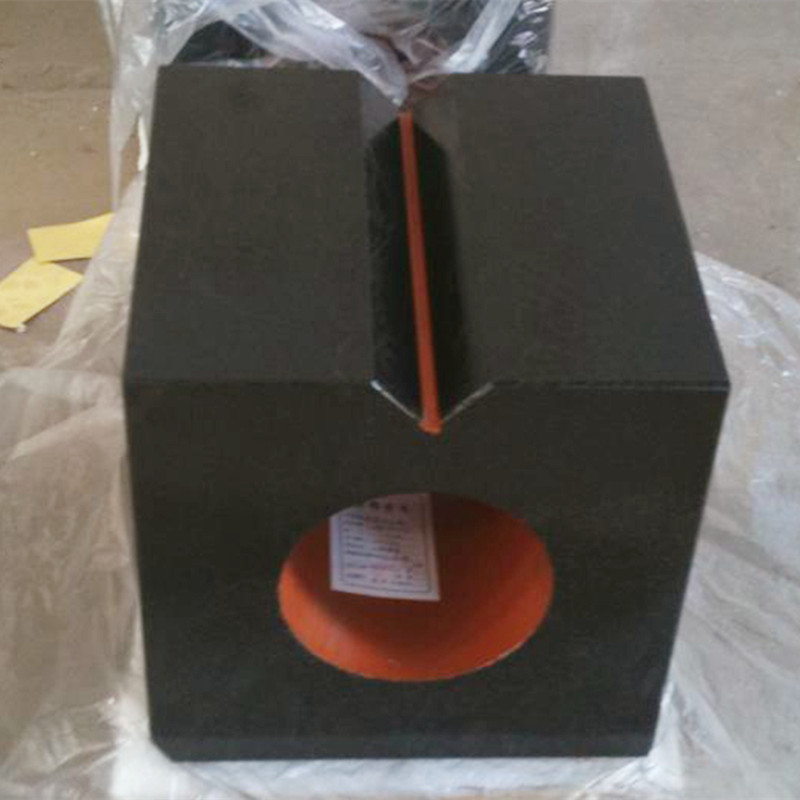
Vee blokken te koop voor duurzame landbouwoplossingen en efficiëntie
VEE Blokken Te Koop De Toekomst van Duurzaam Wonen In de wereld van de bouw en architectuur zien we
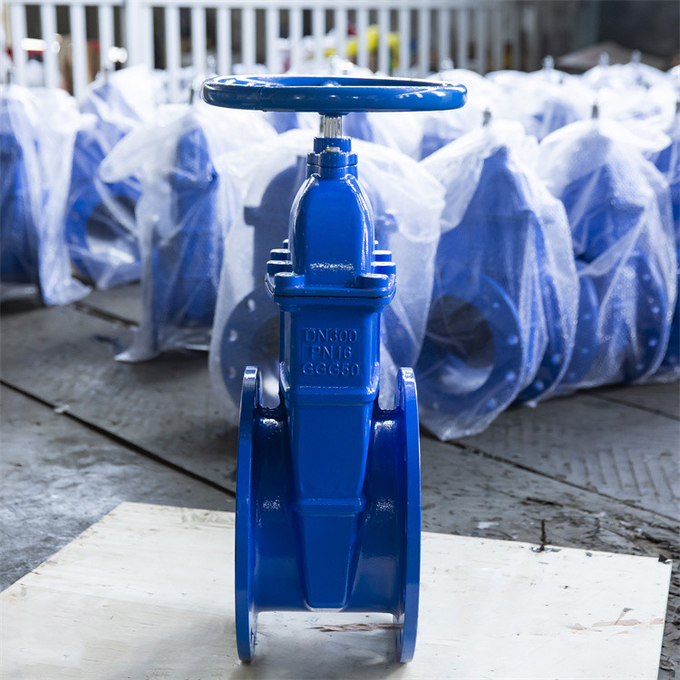
Válvula de puerta de 450mm
Válvula de compuerta de 450 mm Una Solución Eficiente para el Control de Fluido Las válvulas de comp
Valvola a farfalla da 50 mm per applicazioni industriali e sistemi di tubazioni
Valvola a Farfalla da 50 mm Un Elemento Chiave per il Controllo dei Fluidi La valvola a farfalla rap
 English